010203How to find commercial solar prospects, source by source
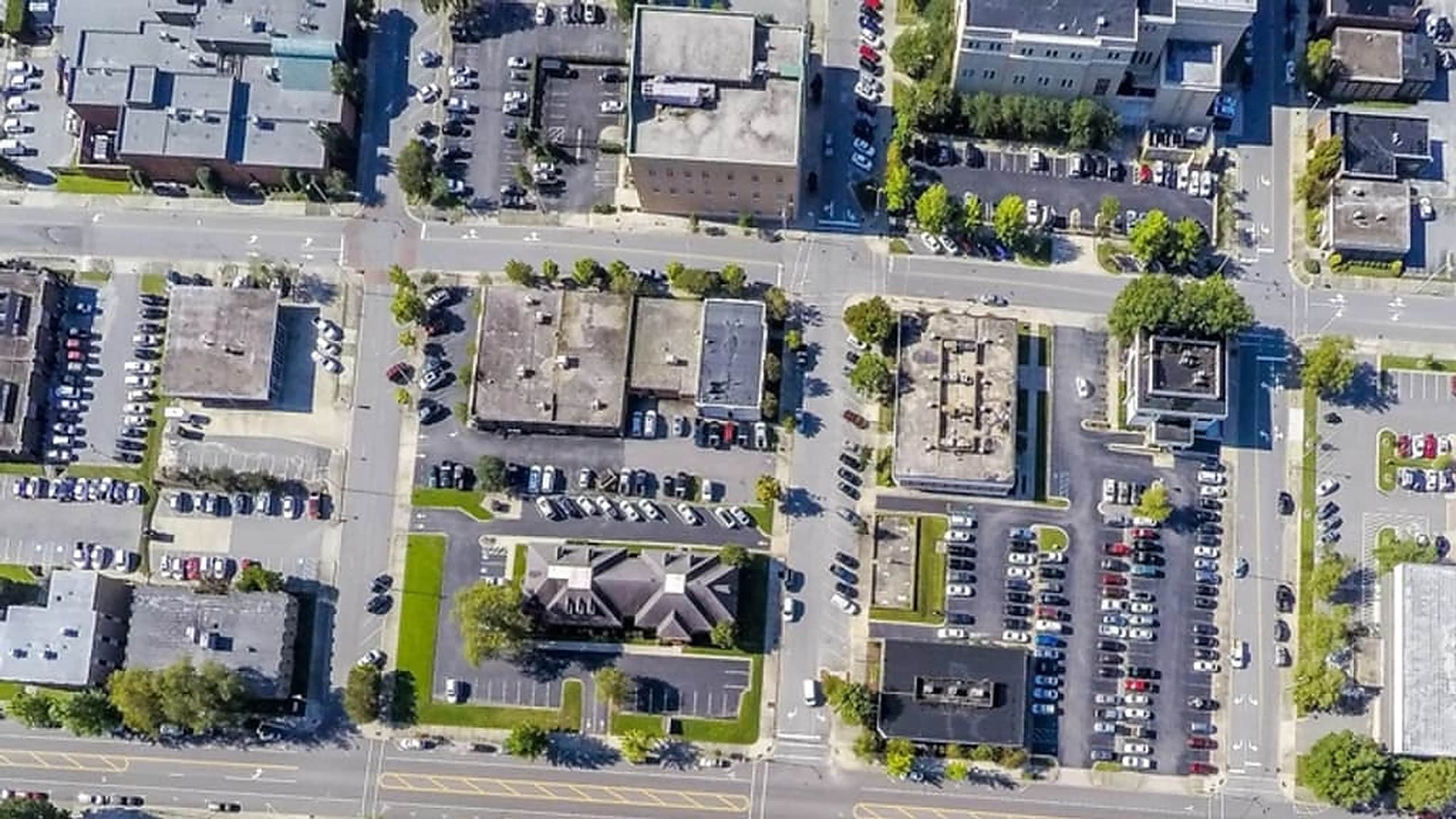
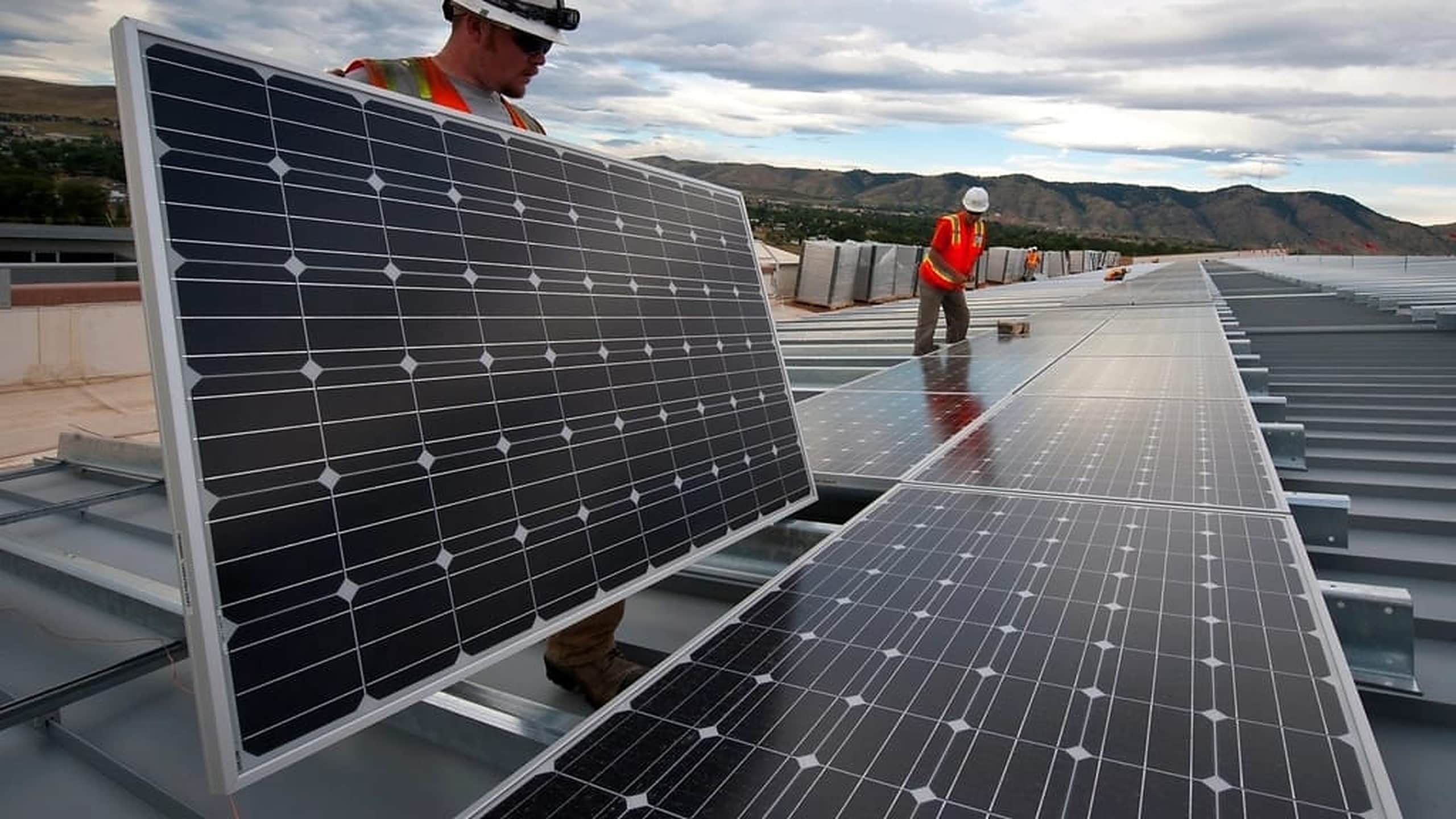
A repeatable screen for a commercial territory: radius and size floor, imagery, parcel and assessor records, then the permit index. With what each source cannot settle.
Read the articleField notes
33 articles on reading roofs, parcels, and permits from above — and on what each source cannot settle.
3 properties ranked with their evidence, 3 business days after we confirm your territory. No card.
Index — 33 articles
Sec. 01 — Featured
010203A repeatable screen for a commercial territory: radius and size floor, imagery, parcel and assessor records, then the permit index. With what each source cannot settle.
Read the articleSec. 02 — Archive
32 more, across 5 sections.
Guides
Stall geometry, trench run, three-phase at the frontage and dwell-time land use — what a desktop screen can rank, and what only the utility can answer.
8 min read
Guides
Ground-mount screening is not roof screening. What to check on parcel size, slope, land cover, interconnection distance and access before a site visit.
9 min read
Research
What aerial imagery, parcel records, permit indexes, elevation, hazard layers and utility data each settle about a property, and where each one fails.
9 min read
Research
Overhead imagery reads ponding, patching, staining and debris. It reads nothing under the membrane. Where the line sits, and why capture date matters.
8 min read
Guides
What actually gets checked before a roof earns a site visit, in the order that eliminates the most properties for the least effort.
8 min read
Guides
How to screen a portfolio for hail and storm exposure using event records, roof cover, roof age and post-event permits, and what that screen cannot prove.
8 min read
Guides
Residential O&M screening at street level: why route density beats any single job, how to read permit vintage by subdivision, and where remote signals genuinely fail.
7 min read
Industry Analysis
Drive time beats radius, density beats total count, and a county that publishes no permit index will cost you more to work than it looks.
8 min read
Guides
A useful prospecting list starts with clear geographic, operational, and customer boundaries. Here is how to define the territory before scoring a single property.
5 min read
Research
Roof size is useful for narrowing a market, but an aerial estimate is not the same as usable solar area or engineering confirmation.
4 min read
Guides
Property type, ownership model, operating context, and likely decision path can make outreach more relevant than a single generic prospect list.
4 min read
Industry Analysis
A promising property can become difficult to pursue when the owner, occupant, operator, and decision authority are different entities.
5 min read
Opinion
A usable lead is more than a company name and an address. It should explain fit, evidence, confidence, decision path, and the next action.
4 min read
Guides
Portfolio-level research can reveal account value, regional patterns, and repeatable opportunities that individual property records may hide.
5 min read
Industry Analysis
A service opportunity is more valuable when it fits crew coverage, travel time, existing accounts, and a practical field route.
4 min read
Research
Permit data can establish useful project history, but it may be incomplete, delayed, inconsistently classified, or disconnected from current system condition.
4 min read
Research
The age of aerial and street-level imagery can change how confidently a team interprets roofs, solar arrays, vegetation, construction, and site access.
4 min read
Industry Analysis
Duplicate parcels, old ownership data, closed businesses, and repeated contacts can quietly undermine outreach performance and reporting.
4 min read
Guides
A strong handoff gives the sales team a clear reason to act, a usable account story, visible uncertainty, and a defined next step.
4 min read
Guides
A credible report should combine transparent evidence, ranking reasons, confidence, limitations, and a practical next action for every prioritized property.
4 min read
Opinion
Clear limits do not weaken a prospecting message. They protect credibility and create a more honest reason to begin a conversation.
4 min read
Industry Analysis
AI can accelerate classification, matching, summarization, and prioritization, but accountable commercial decisions still require source checks and human judgment.
4 min read
Company News
A small preview lets a commercial solar team inspect the evidence, ranking logic, and report format before committing to a broader market review.
4 min read
Company News
A practical look at how broad property research can become a smaller, ranked starting queue for prospecting, maintenance, repair, or market planning.
6 min read
Opinion
More layers, scores, and filters are not automatically more useful. The output should make the next research, outreach, or field decision clearer.
6 min read
Guides
A practical overview of the property, market, and evidence signals that can help organize commercial solar prospecting research.
7 min read
Research
How to turn a broad geography into a smaller, reviewable queue while keeping local knowledge, uncertainty, and verification visible.
8 min read
Guides
A practical framework for deciding which existing commercial solar systems may deserve closer service research before your team invests in outreach or field time.
8 min read
Industry Analysis
Installation age is a useful screening variable, but condition, exposure, design, ownership, maintenance history, and operating context determine what it actually means.
7 min read
Research
Historical weather can help organize where to verify condition, records, and performance, provided exposure is not mistaken for proof of damage.
8 min read
Guides
A pre-outreach checklist for reducing avoidable errors in property identity, ownership, fit, decision-maker research, and message relevance.
8 min read
Research
A clear way to distinguish observations, public records, estimates, and inferences so your team knows what can be acted on and what still needs verification.
7 min read
Put it to work
Name your service area and the decision it serves. We rank 3 properties in it and show the evidence behind each one.
3 properties · 3 business days · no card