
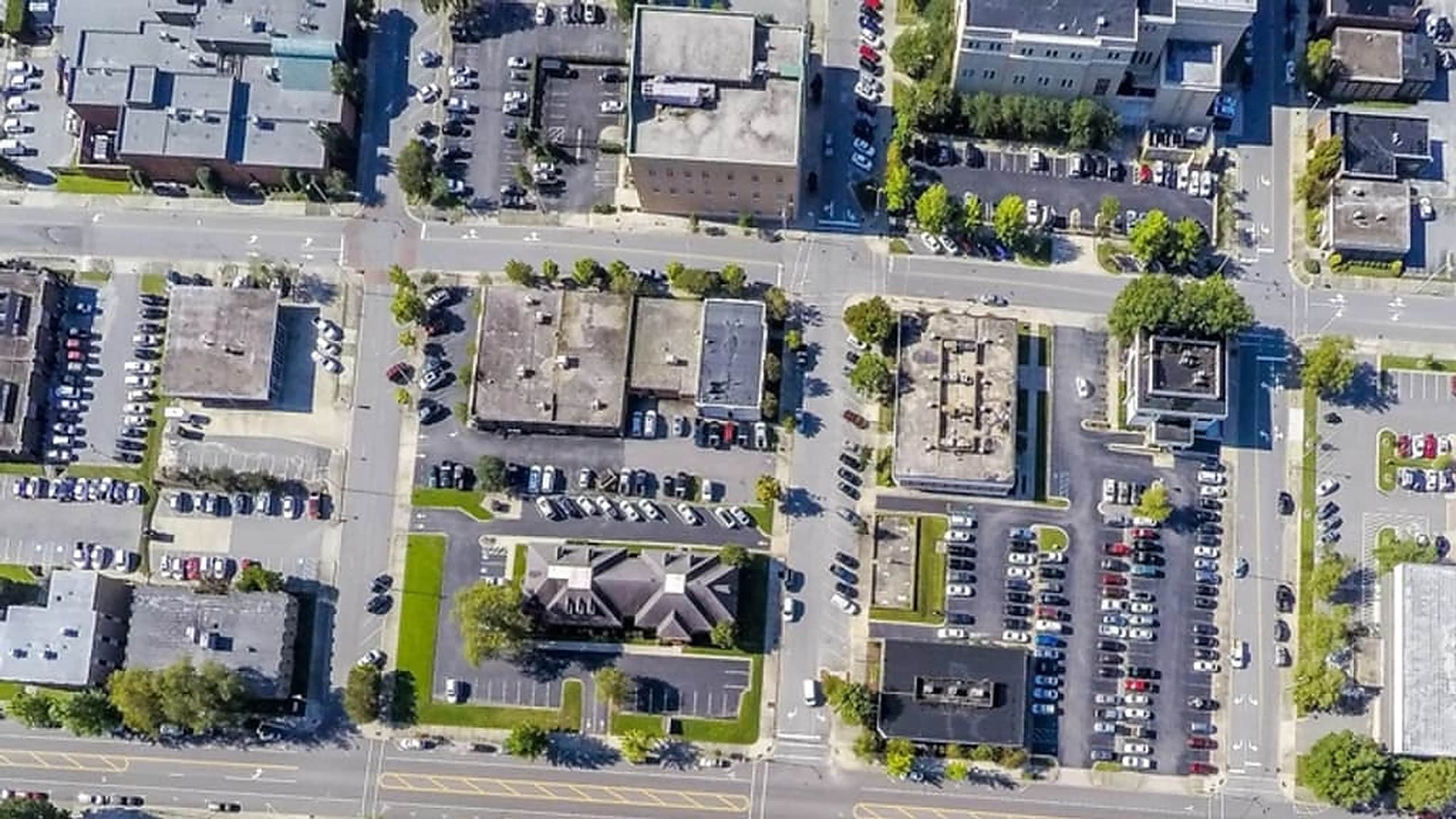
Property intelligence creates value only when the next team can use it. A detailed report may contain strong analysis, but the handoff fails when the salesperson still has to determine why the account matters, who to contact, what can be said confidently, and what should be verified first.
Define outreach readiness
Research and sales should agree on the minimum evidence required before a property enters the active queue. That threshold may include property identity, organization match, service fit, likely decision role, contact verification, and a clearly stated reason for prioritization.
Lead with the account story
- Why this property or account was selected.
- Which evidence is direct, public, estimated, or inferred.
- How the property fits the current campaign.
- Who appears relevant and why.
- Which facts should not be claimed.
- What the recommended next action is.
Make uncertainty easy to see
Sales teams should not have to search through notes to discover that ownership is uncertain or imagery is old. Confidence and limitations should appear beside the finding they affect. This protects credibility and helps the salesperson decide whether to research before contacting.
Support relevant messaging
The handoff can provide evidence-based context for personalization without writing unsupported conclusions. It may explain that the property was identified through public and geospatial research, while avoiding claims about technical qualification, performance, damage, savings, or customer interest.
Close the feedback loop
Outreach results should return to the research team. Corrected ownership, new decision-maker information, objections, timing, disqualification reasons, and positive responses can improve future scoring and segmentation.
The best handoff is a two-way operating process. Research improves the first conversation, and the conversation improves the next round of research.