
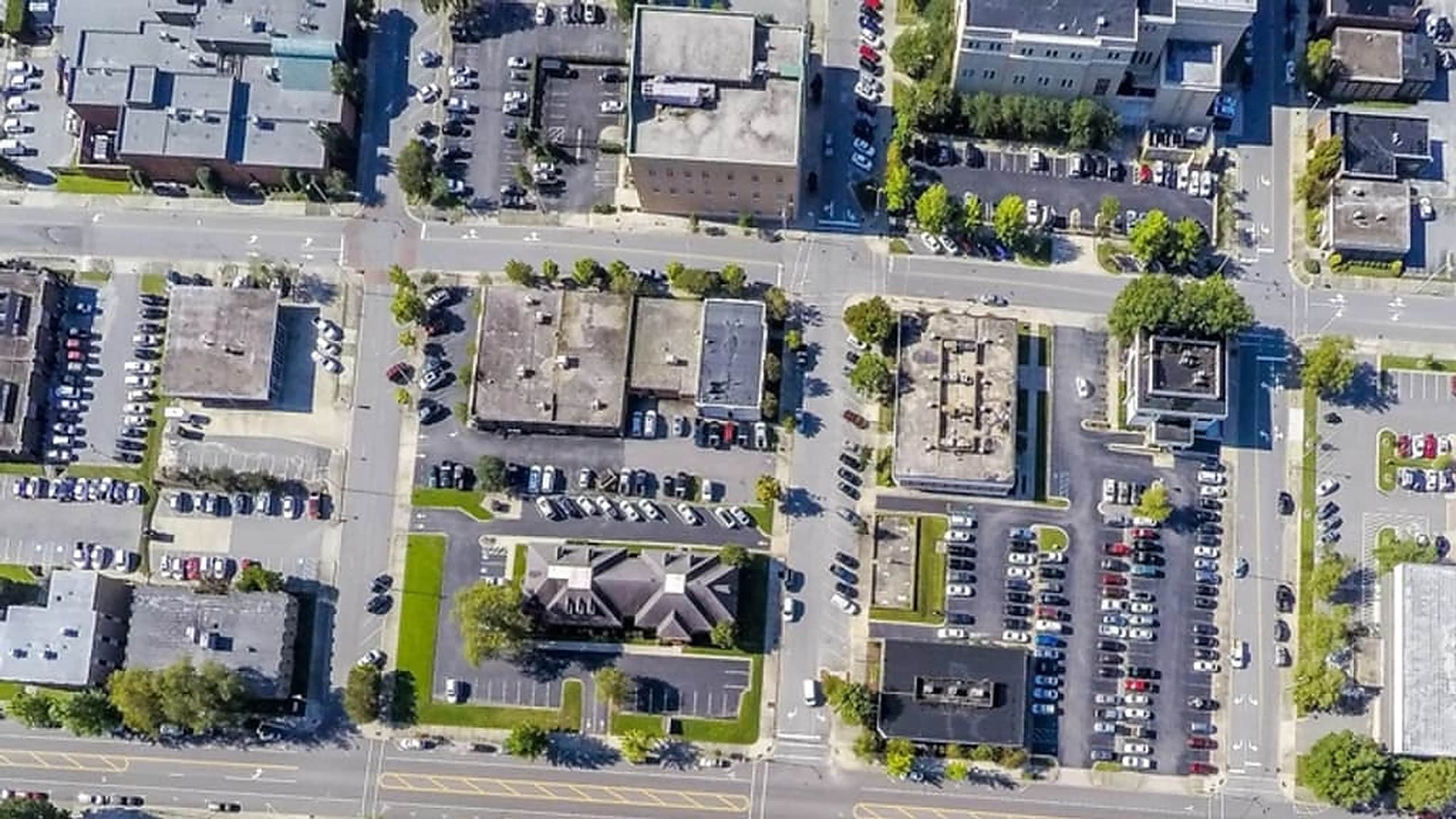
Commercial property research often begins with the parcel owner, but the parcel owner may be only one part of the decision. A holding company may own the land, a tenant may pay the electric bill, a property manager may coordinate roof access, and a corporate office may approve capital projects.
Identify the relevant roles
The owner, occupant, operator, asset manager, property manager, energy buyer, and existing solar system owner may be different organizations. Each role can control a different part of an installation or service decision. A lead becomes more valuable when those relationships are understood well enough to identify the next conversation.
Complexity changes the economics of pursuit
A large property with unclear authority may require more research and a longer sales process than a smaller owner-occupied site. That does not make it a bad opportunity, but it should affect ranking, staffing, and expectations. Lead value depends partly on how much effort is required to reach a qualified decision-maker.
- Confirm the legal property owner.
- Identify the operating business at the site.
- Check for portfolio, parent-company, or public ownership.
- Look for property-management or asset-management relationships.
- Record who appears to control roof, energy, maintenance, and capital decisions.
- Mark every unresolved relationship as an open question.
Portfolio ownership can increase strategic value
Complex ownership is not always a disadvantage. A portfolio owner may create access to several properties through one relationship. In that case, the account-level opportunity may be more important than any individual roof. Research should connect related assets instead of presenting them as unrelated leads.
Make authority visible in the report
A strong property record should state what is confirmed, what is inferred, and which decision roles still need verification. That helps sales teams avoid contacting the wrong organization or making claims about authority that the evidence does not support.
Ownership research does not guarantee access, but it improves the quality of the first step. It turns a roof on a map into a more realistic view of the commercial path around it.