Permit records can be one of the most useful public sources for researching commercial solar installations. They may reveal an application date, contractor, scope description, valuation, equipment reference, inspection milestone, or project address. They can also be difficult to interpret without context.
What a permit may help establish
- That solar-related work was proposed or recorded at an address.
- An approximate project timeline.
- The named applicant, contractor, or property relationship at the time.
- A stated scope, valuation, or equipment description.
- Inspection or status entries available in the local system.
What a permit does not automatically prove
A permit entry does not always confirm that the project was completed, energized, maintained, or left unchanged. It may represent an application that was revised, canceled, duplicated, or closed under a different record. Later expansions, removals, roof work, equipment replacements, and ownership changes may not be obvious from the original permit.
Matching errors are common
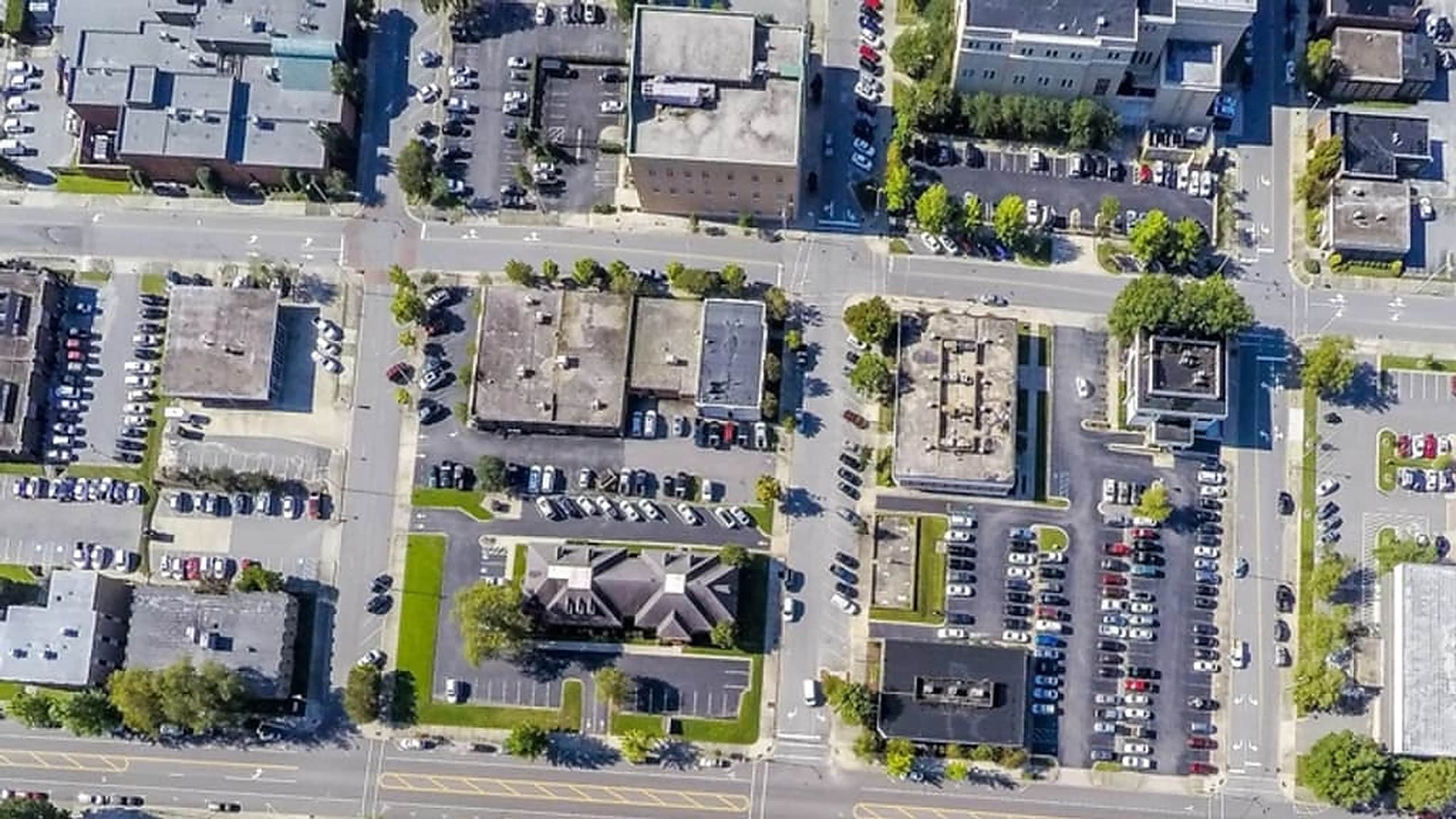
Addresses can be formatted differently, campuses can span several parcels, and one project can generate multiple permits. Search systems may classify solar work under electrical, building, structural, or general categories. A reliable match often requires comparing address, parcel, applicant, dates, and visible site context.
Record gaps should stay visible
Jurisdictions differ in what they publish and how far back their online systems reach. An empty result may mean only that the available search held no matching record, not that no installation or work exists.
Combine sources before acting
Permit information becomes more useful when it agrees with imagery, parcel records, project references, ownership history, and client-supplied records. Contradictions should lower confidence and trigger verification.
A strong report cites the specific record, states what it supports, and explains what remains unknown. That approach preserves the value of permit research without giving the record more authority than it has.