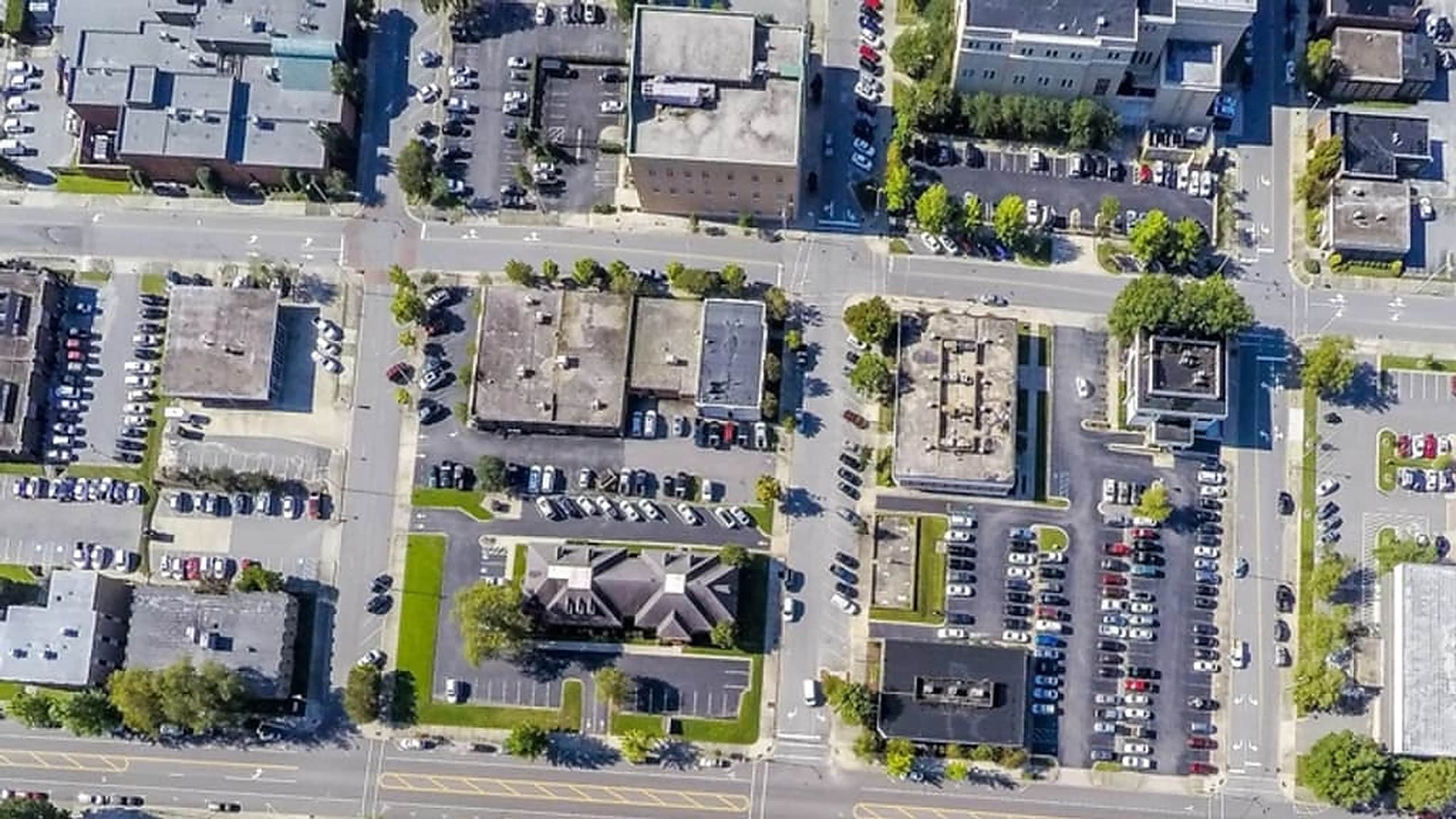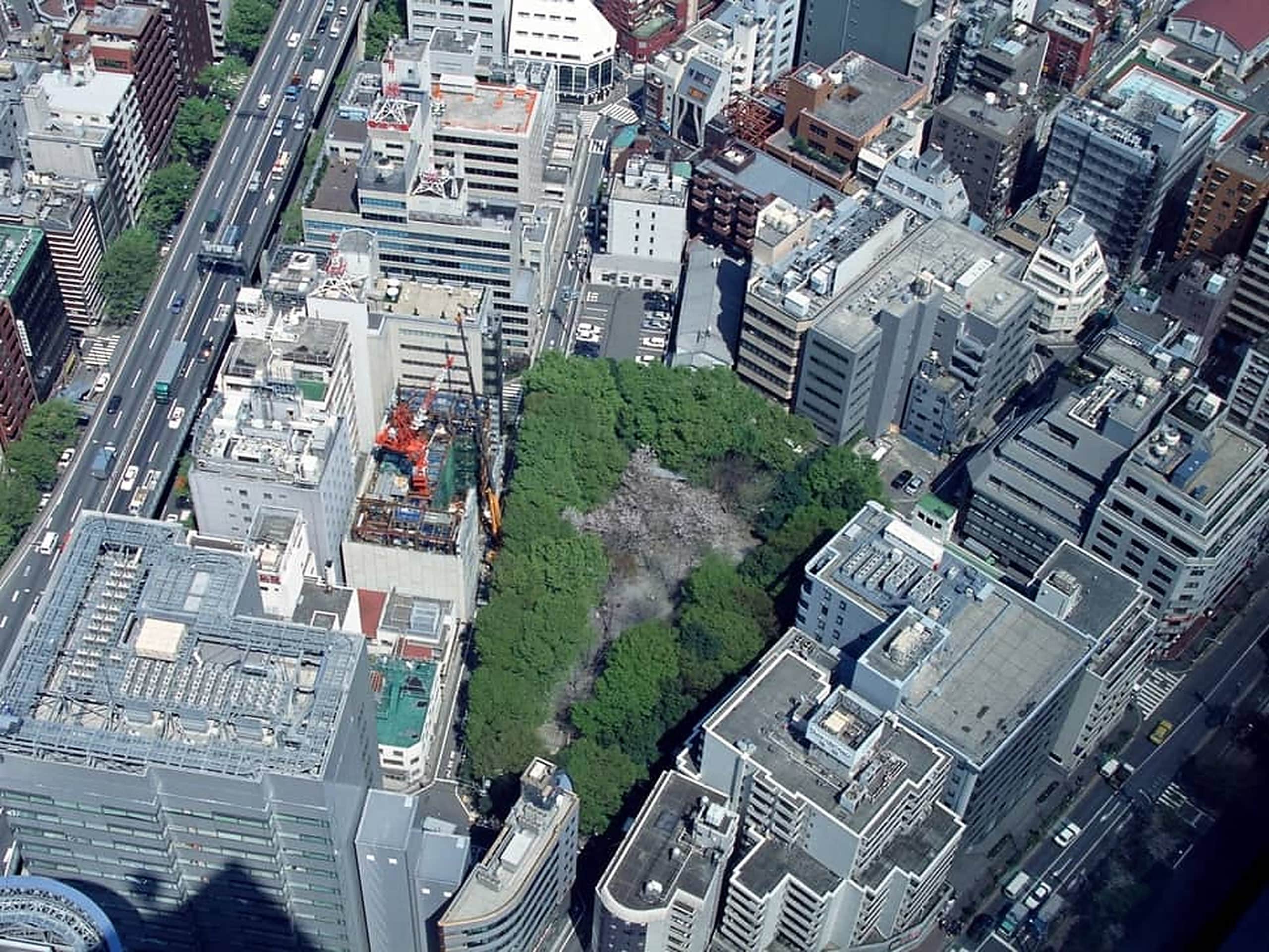
Roof area is one of the most intuitive signals in commercial solar research. A larger roof may support a larger system, so it is reasonable to use visible area as an early filter. The mistake is allowing a remote estimate to carry the meaning of an engineering result.
Building footprint is not usable solar area
A parcel or building footprint may include covered loading areas, multiple roof levels, mechanical zones, skylights, parapets, drainage paths, walkways, shaded sections, and portions that are not structurally or operationally available. Even a clean aerial outline does not reveal every constraint.
Imagery introduces measurement limits
Image date, resolution, angle, roof slope, shadows, georeferencing, and building changes can all affect an estimate. A recent orthographic image may support a better approximation than an older angled image, but neither confirms current site conditions.
- Record the imagery date and source.
- Separate total roof area from estimated unobstructed area.
- Flag visible equipment, shade, roof divisions, and uncertain edges.
- Avoid presenting rounded estimates as exact measurements.
- Identify properties that require updated imagery or direct review.
The missing questions are often decisive
Structural capacity, membrane condition, fire access, electrical infrastructure, interconnection feasibility, warranties, tenant requirements, ownership authority, and planned roof work can change whether a property is practical. These questions sit outside a remote area estimate.
Make the estimate useful
The strongest screening report gives the estimate context. It states the source and date, shows visible constraints, identifies uncertainty, and recommends the next verification step. That lets the sales or development team use roof area without overstating what the data proves.
Roof size remains valuable because it can remove clearly unsuitable properties and elevate sites that deserve deeper qualification. Its role is to organize attention, not to finish the design process.