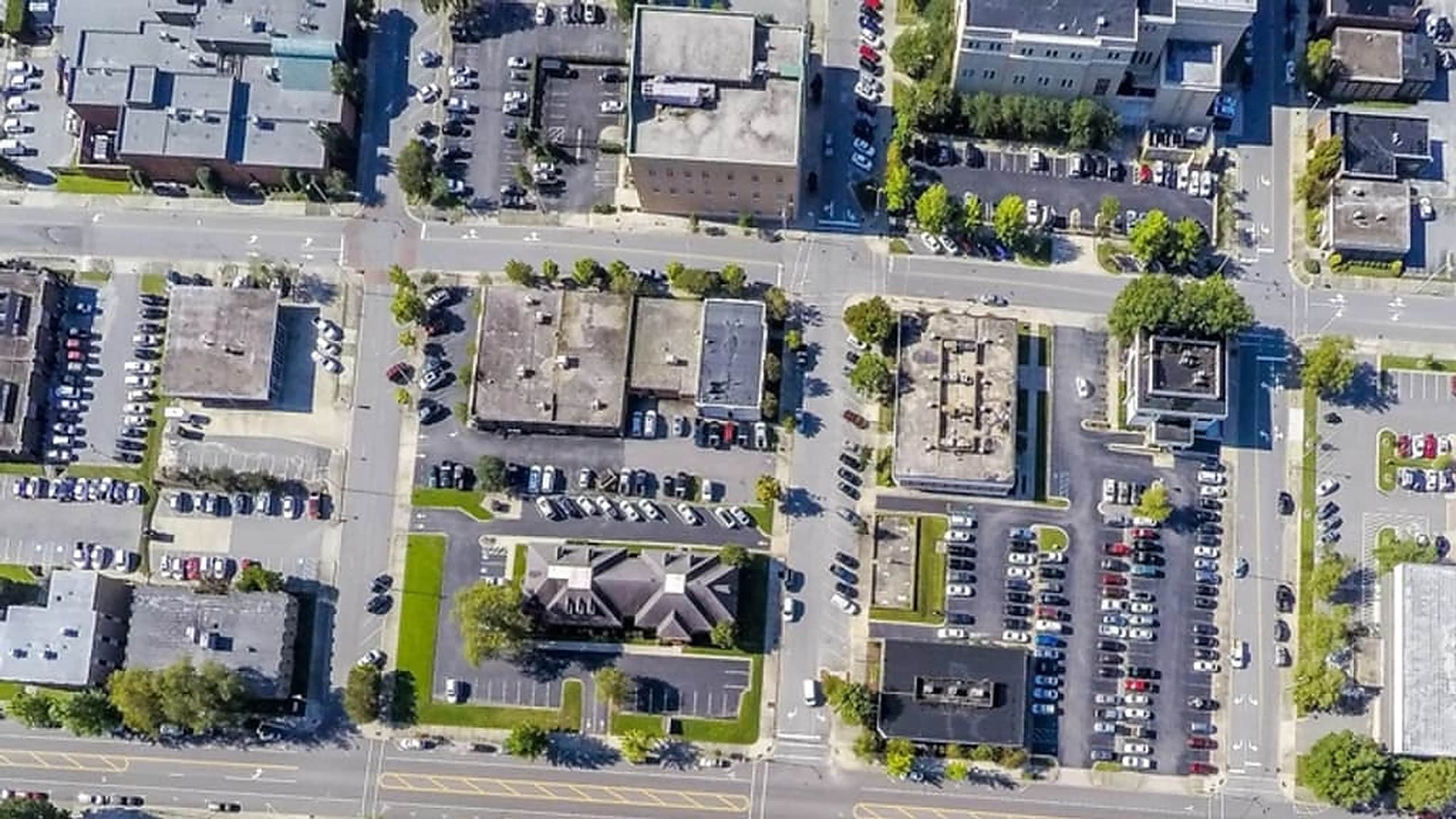
Sales teams often feel pressure to sound certain. In commercial solar, that pressure can turn a reasonable research signal into a claim the sender cannot support. A large roof becomes a qualified project. Weather exposure becomes damage. An older system becomes a repair need. Public ownership data becomes confirmed decision authority.
Certainty is not the only way to create relevance
A message can be specific without pretending the analysis is complete. It can explain that public and geospatial research identified the property as worth a closer look, name the visible or recorded context, and ask whether the topic is relevant to the recipient.
State what the research does not establish
- Remote imagery does not confirm structural or electrical feasibility.
- Historical weather does not prove property-level damage.
- Permit timing does not confirm current system condition.
- Ownership records do not always identify present decision authority.
- A ranking does not show customer interest or guarantee project economics.
Limitations can improve the question
When the unknown is stated clearly, the outreach can ask for the right information. Is the organization responsible for the roof and energy decision? Has the system received recent service? Is the property within the company's current project plans? The conversation begins with verification rather than an unsupported conclusion.
Make confidence part of campaign design
High-confidence records may support immediate personalized outreach. Medium-confidence records may require one more ownership or permit check. Low-confidence records may belong in research rather than a campaign. This distinction protects both the brand and the team's time.
Transparent limitations are not legal padding added after the analysis. They are part of a useful commercial product. They help the team understand what it knows, what it does not know, and how to move forward responsibly.