Commercial solar maintenance research begins with a difficult distinction: a property can be worth investigating without there being enough evidence to claim that its system needs repair. The goal is to identify where verification may be most valuable, not to diagnose a system remotely.
1. Installation age and component era
An older installation may have had more time to experience wear, ownership changes, service gaps, inverter replacement cycles, vegetation growth, or documentation loss. Age can make a property more relevant to research, but it does not prove poor performance or condition.
2. Weather and environmental exposure
Hail, high wind, heavy rain, heat, salt air, dust, nearby vegetation, and recurring shade can change what deserves attention. Historical exposure is most useful as context for inspection or records review, not as evidence that damage occurred.
3. Visible site and roof context
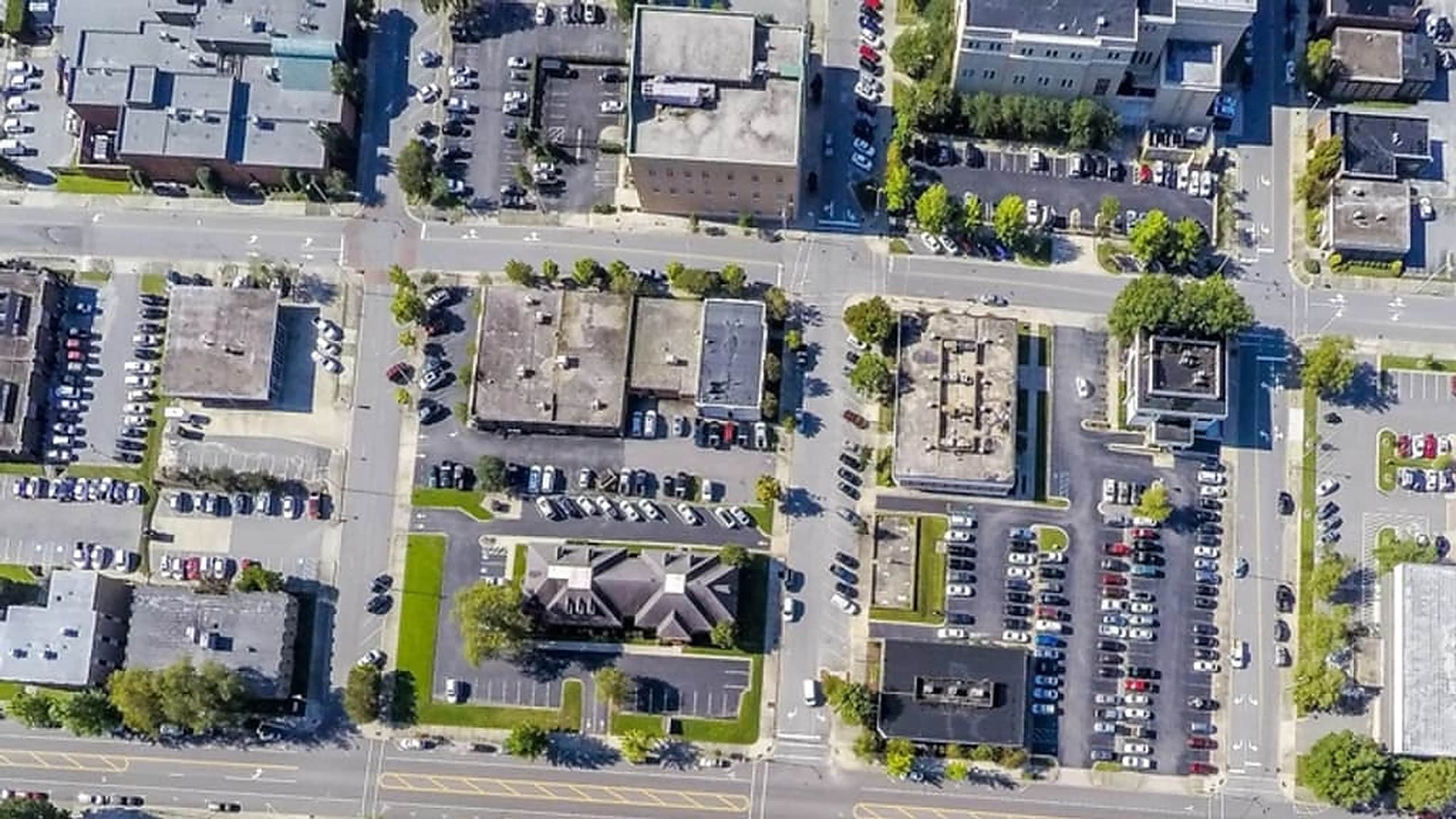
Current imagery may reveal vegetation encroachment, new rooftop equipment, nearby construction, apparent debris, drainage context, roof changes, or access constraints. Imagery date and resolution matter, and subtle electrical or module-level issues will not be visible.
4. Permit, ownership, and service history context
Available permits, ownership changes, public project references, and client-supplied service records can help establish a timeline. Missing records should be treated as missing, not as proof that maintenance did or did not occur.
5. Commercial and route fit
A technically interesting property may still be a weak service target if it falls outside your operating area, project profile, access model, or route economics. Prioritization should reflect the work your team can actually perform and support.
Use the signals to choose the next verification step
The value of these signals is cumulative. Together they can help your team decide which properties deserve records research, owner contact, visual inspection, performance-data review, or removal from the queue.